
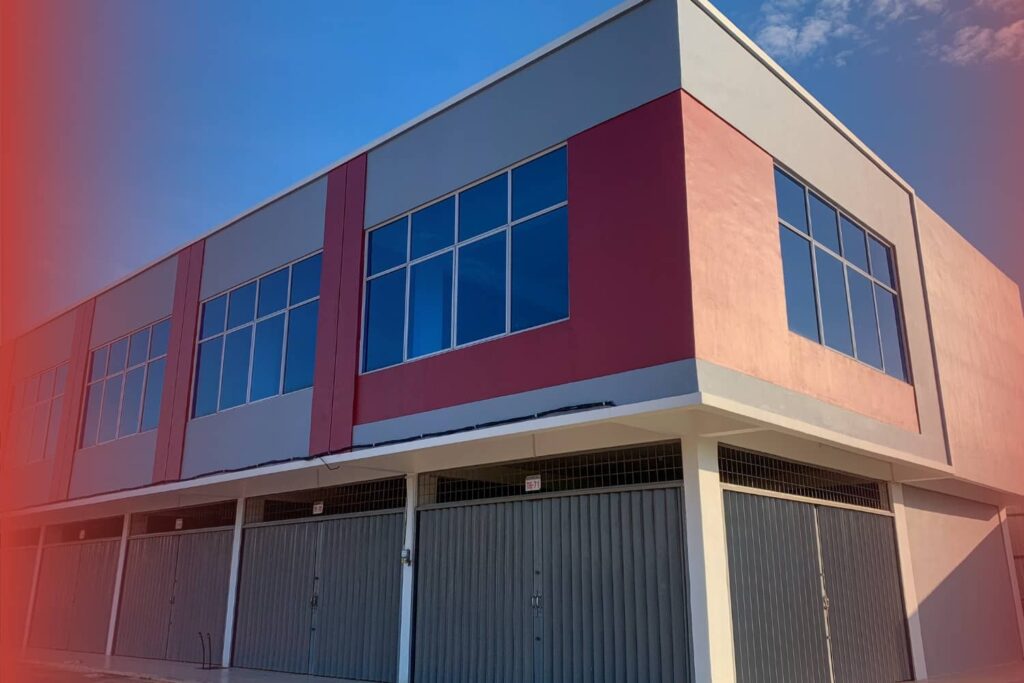
A commercial property inspection is one of the smartest investments you can make before buying, selling, or leasing a commercial building. It gives you a clear picture of the property condition, helps you avoid surprise repair costs, and puts you in a stronger position at the negotiating table.
But if you’ve never been through a commercial building inspection before, it can feel overwhelming. How much should you expect to pay? What does a commercial building inspector actually check? And how do you get the most value out of the process?
This guide breaks it all down. Whether you’re looking at a retail site in Buckhead, a warehouse near Hartsfield-Jackson, or an office building in Grand Rapids, you’ll learn what a commercial property inspection covers, how pricing works, and how to prepare so nothing catches you off guard.
What Is a Commercial Property Inspection?
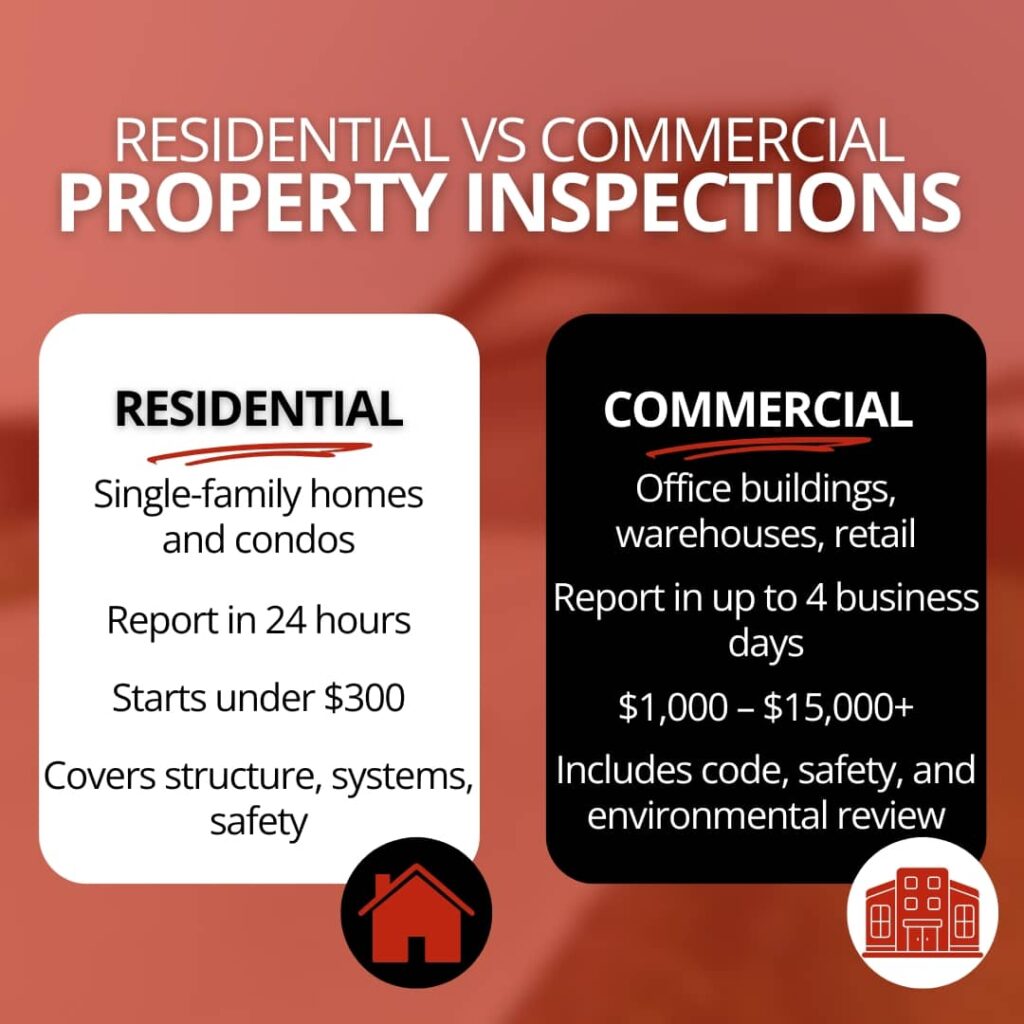
A commercial property inspection is a structured review of a commercial building’s physical condition and major systems. It is different from a residential inspection in both scope and complexity.
Where a residential inspection focuses on a single-family home, a commercial building inspection may cover office buildings, strip malls, warehouses, restaurants, mixed-use properties, and more. The systems are bigger, the codes are stricter, and the stakes are higher for every investor, lender, and tenant involved.
During a building inspection, a certified commercial building inspector walks the entire property and examines its structural, mechanical, electrical, plumbing, and air conditioning components. Afterward, you receive a final property condition report with photos, descriptions of any deficiencies, and recommendations for repairs.
At Champia Real Estate Inspections, our commercial building inspection reports are typically delivered within four business days, giving our inspectors the space to be thorough without rushing through findings.
Expected Costs Associated With Commercial Properties
Commercial property inspection costs typically range from about $1,000 to $10,000 or more. The wide range exists because no two commercial buildings are the same.
Property size is the biggest factor. Many commercial building inspectors charge on a per-square-foot basis, usually between $0.16 and $0.30 per square foot. A 5,000-square-foot office building might run $800 to $1,500. A 30,000-square-foot site with warehouse and office space could reach $3,000 to $5,000 or more.
Building age and complexity also drive costs. Older commercial buildings in Atlanta’s historic corridors or aging properties in Michigan tend to have outdated systems that need careful evaluation. A commercial building with elevators, commercial kitchens, fire safety systems, or specialized HVAC systems takes more time on-site and in reporting.
Scope of the inspection matters, too. A standard building inspection covers the structure, roofing, mechanical, electrical, and plumbing systems. But some properties need additional environmental studies for mold, radon, or asbestos, which adds to the total.
| Commercial Property Type | Approximate Size | Estimated Inspection Costs |
|---|---|---|
| Small retail or office buildings | Under 5,000 sq ft | $800 – $1,500 |
| Mid-size office or mixed-use | 5,000 – 15,000 sq ft | $1,500 – $4,000 |
| Large warehouse or industrial | 15,000 – 50,000 sq ft | $3,000 – $8,000 |
| Large complex or campus | 50,000+ sq ft | $8,000 – $15,000+ |
These are general estimates. Champia provides custom quotes based on your commercial property’s specifics.
What Does a Commercial Building Inspection Cover?
A quality commercial building inspection goes well beyond a surface-level walkthrough. Here is what inspectors evaluate across the property’s major systems.
- Structural components. The foundation, load-bearing walls, and framing are examined for cracks, settling, or deterioration. A commercial building inspector may recommend a structural engineer for further evaluation if significant concerns are found. Keeping a commercial building structurally sound protects your investment and your tenants.
- Roofing. The building’s exterior roofing is one of the most vulnerable areas, especially in Georgia where heat and humidity accelerate wear. Inspectors check for leaks, ponding water, damaged flashing, and drainage issues. Roofing experts may be recommended for complex flat roof systems. In Michigan, freeze-thaw cycles create additional challenges.
- Electrical systems. Outdated or overloaded electrical systems are a common finding in older commercial buildings. Inspectors evaluate panels, wiring, and capacity to verify the building meets current codes.
- Plumbing. Corroded pipes, slow drains, and water pressure issues are all red flags. The plumbing evaluation checks both supply and waste systems, including visible water heaters or boiler equipment.
- HVAC and air conditioning. Each HVAC system is checked for age, condition, and efficiency. Replacing a commercial HVAC system is a big investment, so understanding its remaining useful life helps asset managers and portfolio managers plan ahead and protect rental income.
- Fire safety systems and accessibility. Commercial buildings have requirements that residential properties do not. Inspectors check fire exits, emergency lighting, sprinkler systems, and ADA accessibility to help verify the property meets local and federal standards.
- The building’s exterior and interior. Walls, ceilings, floors, windows, parking lots, walkways, landscaping, and the building’s interior spaces are all part of the building inspection. The goal is to find potential hazards and anything affecting safety, value, or long-term maintenance.
How the Commercial Property Inspection Process Works
Understanding the inspection process helps you prepare and get the most out of your building inspection.
Step 1: Request a quote and define the scope. Contact the inspection company with the property address, approximate square footage, commercial building type, and any specific concerns. At Champia, we use this information to create a tailored scope and provide a clear quote.
Step 2: Schedule and coordinate access. Commercial inspections often require coordinating with tenants, property managers, or building staff. Make sure all areas of the site are accessible, including rooftops, utility rooms, and any restricted spaces. Gather documents like building plans, construction permits, maintenance records, and previous inspection reports to share with inspectors.
Step 3: On-site inspection. The commercial building inspector walks the entire property, examining each system and documenting findings with notes and photographs. Depending on the property’s size, this inspection process may take anywhere from several hours to multiple days.
Step 4: Final property condition report. After the site visit, the inspector compiles a detailed report outlining every finding, complete with photographs and recommendations. This report, sometimes called a Property Condition Report, gives clients and their teams the detailed information they need to navigate efficiently through a purchase, lease, or maintenance decision.
Step 5: Review and next steps. Use the inspector’s findings to negotiate the purchase price, request seller repairs, budget for repair costs, or decide whether to move forward with the transaction. Portfolio managers and asset managers often use these reports to understand the lifespan of major systems and plan capital expenditures across their commercial real estate holdings.
Tips to Get the Most From Your Building Inspection
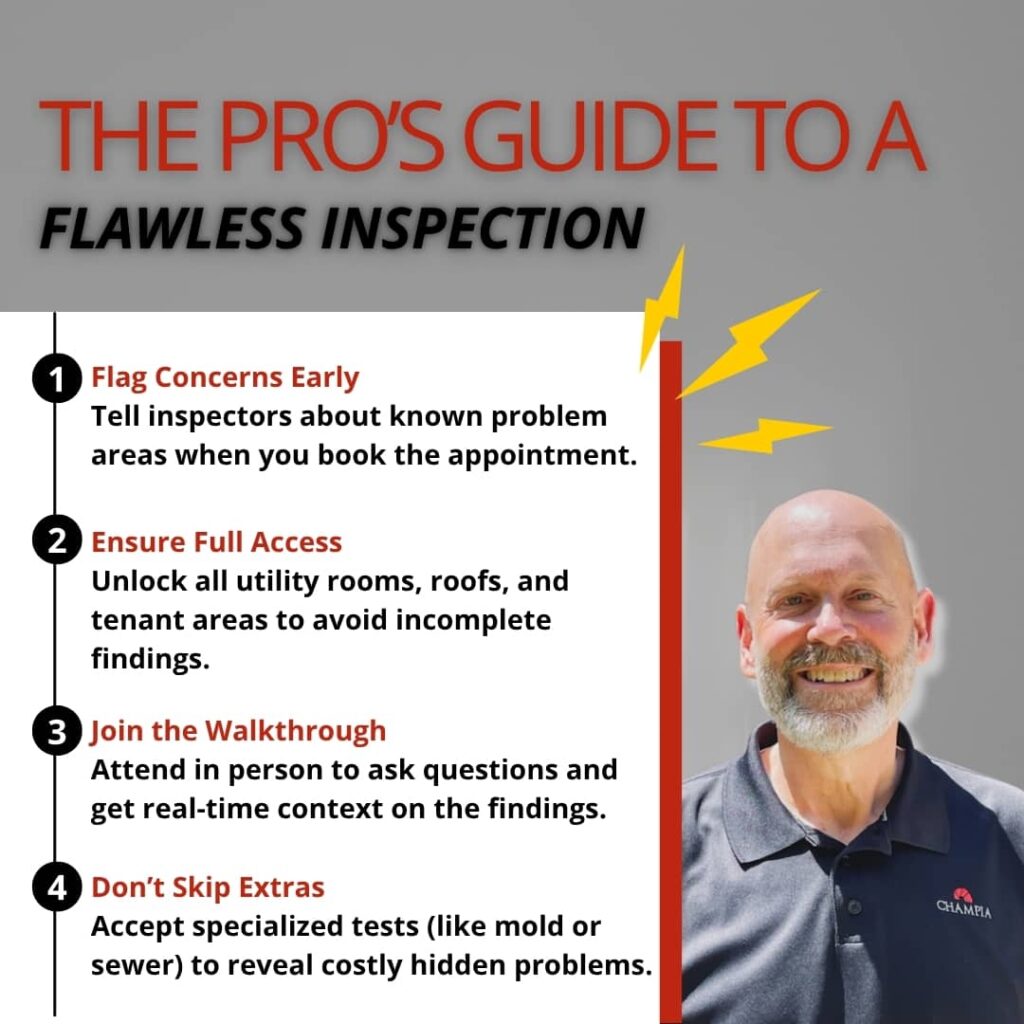
- Share your concerns early. If you know about a problem area, tell inspectors when you schedule. They can pay closer attention to those areas of the commercial building.
- Make sure everything is accessible. Locked utility rooms and blocked rooftops slow down the process and lead to incomplete findings. Coordinate with tenants well before inspection day.
- Be present if possible. Walking the site alongside the commercial building inspector lets you ask questions in real time and understand the report more clearly.
- Don’t skip ancillary testing. If inspectors recommend mold testing, radon evaluation, or a sewer scope, take it seriously. These services can uncover hidden problems that save you from significant repair costs down the road.
Other Related Questions
Should I also get a termite or WDO inspection on a commercial building?
Yes, especially in Georgia where subterranean termites are active year-round. A Wood-Destroying Organism inspection checks for termites, carpenter ants, wood-boring beetles, and fungal decay that can compromise a commercial building’s structural integrity.
What is thermography and how does it help during a building inspection?
Thermography uses infrared imaging to detect temperature differences behind walls and roofing materials. It can reveal hidden moisture, insulation gaps, and overheating electrical components, making it especially useful in older commercial buildings.
How do I know if a commercial building has mold?
You may notice a musty smell, see discoloration on walls, or find water stains. However, mold often grows in hidden areas like wall cavities and HVAC ductwork. A professional mold inspection with air and surface sampling is the most reliable way to confirm whether mold is present.
Is radon a concern in commercial properties?
It can be, particularly in commercial buildings with ground-level offices or slab-on-grade construction. In parts of North Georgia, granite bedrock makes radon levels especially worth testing during the inspection process.
What about sewer lines in a commercial building?
Sewer scope inspections use a camera to assess underground drain lines. This is important for older commercial properties where clay or cast iron pipes may be cracked, collapsed, or blocked by root intrusion. Identifying sewer problems before closing can protect you from one of the most expensive repairs a property owner can face.
Does the commercial property need a pool or spa inspection?
If the site includes a pool or spa, such as a hotel, fitness center, or apartment complex, a separate pool inspection is a smart addition. It covers the pump and filtration systems, electrical safety, plumbing connections, and compliance with local safety codes.
When to Call a Professional
If you’re considering buying, selling, or leasing a commercial property, or if you want to stay ahead of maintenance on a building you already own, hire a professional for a thorough building inspection.
Attempting to evaluate a commercial building on your own often leaves major issues undetected. A certified commercial building inspector has the training, tools, and construction experience to assess every major system and compile findings into a clear, actionable report.
Champia Real Estate Inspections has been helping commercial property owners and investors make informed decisions since 1987. With over 100,000 inspections completed and a team of ASHI- and ICC-certified inspectors, we deliver the thorough, accurate commercial building inspections that commercial real estate requires.
Conclusion
A commercial property inspection is more than just another line item on a due diligence checklist. It is a vital tool that transforms uncertainty into a strategic advantage. Whether you are managing a small retail shop or a massive industrial warehouse, the insights from a professional report help you protect your capital and negotiate from a position of strength.
Do not leave your investment to chance. By identifying potential issues before they become expensive headaches, you ensure that your next real estate move is a profitable one.
Ready to protect your investment? Contact Champia Real Estate Inspections today to schedule your evaluation or request a custom quote online.